
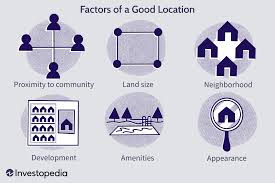
Location plays a major role in determining the value and demand of a property.
Properties located near schools, hospitals, shopping centers, and transportation facilities are usually in higher demand. Families prefer areas with good schools and healthcare; professionals want easy access to offices and transit. Such locations command higher prices and rents and tend to sell or let faster. When you buy, you are not just buying a structure but the convenience and lifestyle that the location offers.
Investing in areas with upcoming development projects can increase property value over time. New metro lines, highways, airports, or business parks can transform a locality in a few years. Investors who identify these pockets early often see strong capital appreciation. Keep an eye on government and private sector announcements and master plans.
Location also affects the resale value of your property. A well-located property is easier to sell and typically holds its value even during market slowdowns. Poor location—far from amenities, prone to flooding, or with weak connectivity—can make resale difficult and may force you to sell at a discount.
Safety and neighbourhood quality matter as much as connectivity. Low crime rates, clean surroundings, and a stable community make a location desirable. Visit at different times of the day and talk to residents before deciding.
Therefore, buyers should always prioritize location when making property decisions. It is one factor you cannot change later; you can renovate a building, but you cannot move it to a better area. Choose location first, then narrow down by budget and property type.
Real estate investment is one of the most reliable ways to build long-term wealth.
Digital property platforms are changing how people buy and sell real estate.
Your email address will not be published. Required fields are marked *


Subscribe to get latest updates and information.
© Copyright Hammrly 2026. All rights reserved.





No comments yet. Be the first to comment.